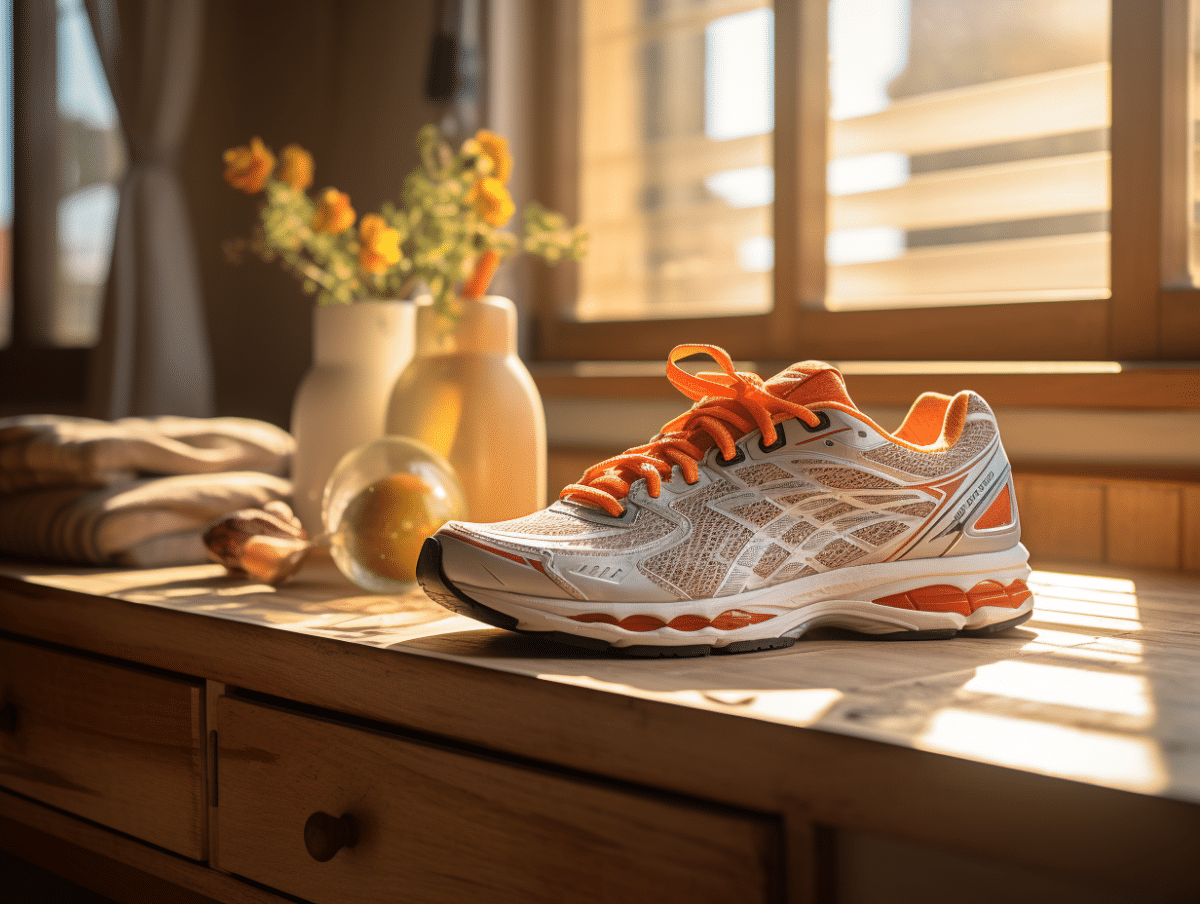
In a world where fast consumption and frequent renewal of goods tend to become the norm, taking care of your belongings, particularly sports shoes, is both an economical and ecological act. Sneakers, often put to the test during physical activities, can last longer with a bit of attention and prevention. Simple gestures, suitable products, and cleaning habits can make all the difference. By adopting these practices, athletes can not only save money but also reduce their ecological footprint by limiting waste.
Daily maintenance and care for your sports shoes
Maintenance tips for your sports shoes go beyond just using a sponge and water after a running session. A meticulous routine is necessary to preserve the integrity and performance of this essential equipment. Cleaning running shoes should be done gently, avoiding harsh washing machine cycles that can damage the materials. Opt for manual cleaning, using mild products and a soft-bristled brush to remove mud and dirt that can degrade the fabric and seams over time.
Alternating between sports shoes is another effective strategy to extend the lifespan of your valuable allies. Allow your sneakers time to recover, dry, and regain their original shape between uses. This alternation also promotes more balanced wear and limits the risk of premature deformation of the soles and internal structures.
The heel is often the first area to suffer, particularly inside the shoe, where repeated friction can lead to accelerated wear. Knowing how to repair the inner heel of a sneaker can be useful for prolonging its use. Specialized repair patches or adhesive reinforcements can be applied by you or a professional cobbler to restore this critical area.
The maintenance of your shoes includes storing them in an appropriate environment. Avoid damp or excessively hot places that can alter glues and materials. Prefer a dry and temperate location, and use shoe trees to maintain the shape of the shoes when they are not being worn. Together, these care and maintenance practices ensure increased longevity for your sports shoes, preserving both their functionality and aesthetics.
Advanced techniques for repairing and reinforcing your sports shoes
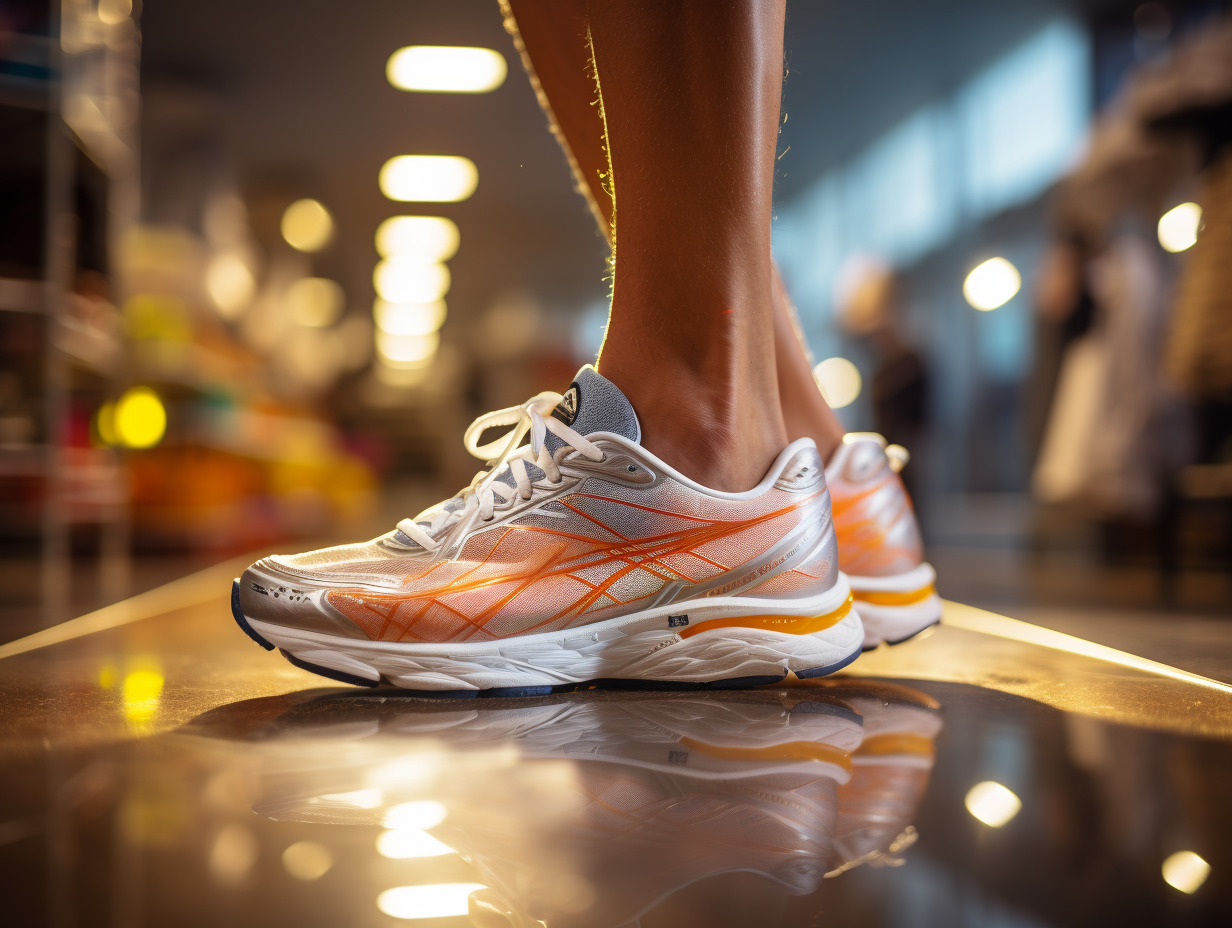
Let’s discuss the repair methods for your sports shoes, which go beyond superficial care. A fundamental element is the repair of the soles. Often, they wear out prematurely, but thanks to specialized resoling techniques, it is possible to give them a second life. Choose quality soles, or even soles designed for optimal performance, and entrust this task to a skilled artisan who can preserve the shoe’s original dynamics.
Recycled materials also play a significant role in the durability of sports shoes. The Brooks Ghost 15, for example, illustrates this trend by being a carbon-neutral product made from these materials. The awareness of brands and their commitment to more sustainable practices is a lever for consumers concerned about ethics and ecology. Adopting products like the Ghost 15 helps reduce the ecological impact of our sports equipment.
Beyond repair, reinforce high-stress areas such as the toe and sides of your shoes. Using specific adhesives and reinforcement patches can prevent tears and damage from repetitive friction. Apply these reinforcements carefully to avoid altering the flexibility and comfort of the shoe.
The Brooks brand, in its commitment to more sustainable production, offers initiatives such as recommerce and a take-back program. These options provide a second life to shoes at the end of their journey and encourage responsible consumption. Understanding and supporting these efforts is a step towards reducing waste and preserving our environment. Embrace these practices to combine sports performance with environmental responsibility.