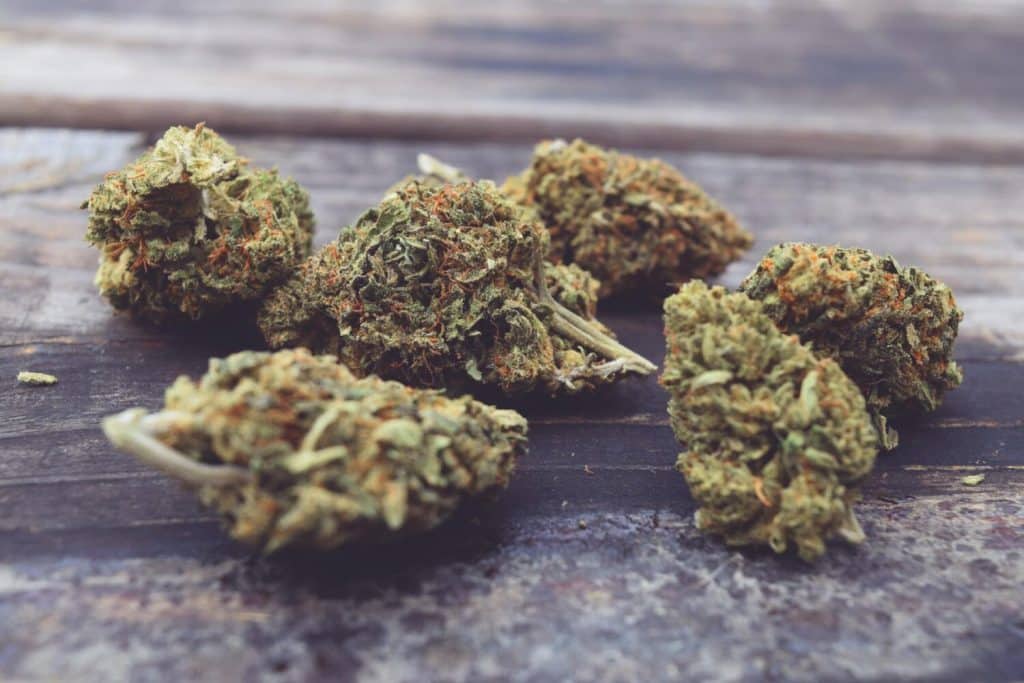
Legal marijuana, also known as light marijuana or light cannabis, has seen an incredible surge in demand and consumption in recent years. Several scientific studies have confirmed its beneficial effects and thus created a true legal market for marijuana. In Europe and Italy, several totally legal marijuana shops have emerged, opening the doors to an extremely varied and interesting world for the public.
There are many varieties of legal inflorescences and in the following pages, we will describe some of the most important ones. But let’s go in order: how can you determine if an inflorescence is legal or not?
Light marijuana and legal limits
Legal marijuana is defined as a variety of cannabis with an extremely low THC percentage, to the point of eliminating its psychotropic effects. In Italy, the reference values for THC that constitute a legal marijuana plant range between 0.2% and 0.5%.
At this THC concentration, the consumption of light marijuana has no contraindications for health and indeed, several recent studies show how the consumption of legal marijuana can have various beneficial effects due to its high concentration of CBD. If you want to learn more about CBD and its benefits, just click on the link to open an article dedicated to the subject!
We would like to emphasize that “light marijuana” and “light cannabis” are two terms that have a slight difference. In fact, the term “light cannabis” refers to the plant from which the final product is obtained, namely light marijuana. Given the minimal difference, the two terms are often used interchangeably. In this article, we will not distinguish between them and will use them as if they were synonyms.
History and production
If you are as curious as the writer, you surely have a thousand questions running through your mind: how are the plants suitable for the production of legal marijuana? How are they cultivated? How are light cannabis plants processed to obtain the final product? Can I trust the various marijuana shops? Well, your curiosity is about to be satisfied.
But before answering all your questions, it’s good to do a little history.

Discovery and classification
The marijuana plant was first classified around 1750, by Charles Linnaeus. He believed that only one species existed and called it “cannabis sativa”. At that time, hemp plants were cultivated throughout Europe for various purposes (paper production, textiles, and much more). Linnaeus was a Swedish botanist, and he made this classification by working only with European specimens.
In 1785, the French naturalist Jean-Baptiste Lamarck published a description of a new species of cannabis, different from the one previously discovered. Lamarck named this plant “cannabis indica”. Lamarck immediately noticed certain characteristics of this new species: it was low in fiber but had high intoxicating effects. This description was based on specimens that the scientist had collected in India.
Finally, around 1900, the Russian botanist Janichevsky identified a third variety of hemp, native to Russia, which we now know as “cannabis ruderalis”.
There is still much debate about the proper taxonomy of indica, sativa, and ruderalis varieties. However, scientists believe that the differences between cannabis strains are such that they justify their division into three distinct species.
Differences between different species
The most common and interesting varieties for this article are sativa and indica. The most obvious difference between the two species is physical in nature. They can easily be distinguished by keeping these characteristics in mind:
- Sativa: tall plant, with elongated branches and narrow leaves
- Indica: conical plant with broad leaves
These obvious differences between indica and sativa varieties are easily attributable to their geographical origins. Cannabis sativa comes from warm and tropical regions (Thailand, Colombia, Mexico), while cannabis indica is native to cold and mountainous regions (Nepal, India).
Both types of cannabis are used for the production of legal marijuana. The inflorescences are selected based on their chemotype and only those with a biochemical composition that is rich in CBD and low in THC are used. These characteristics are ideal for producing the highest quality light marijuana, in compliance with the legal limits imposed by current laws.
But how is light marijuana cultivated and produced?
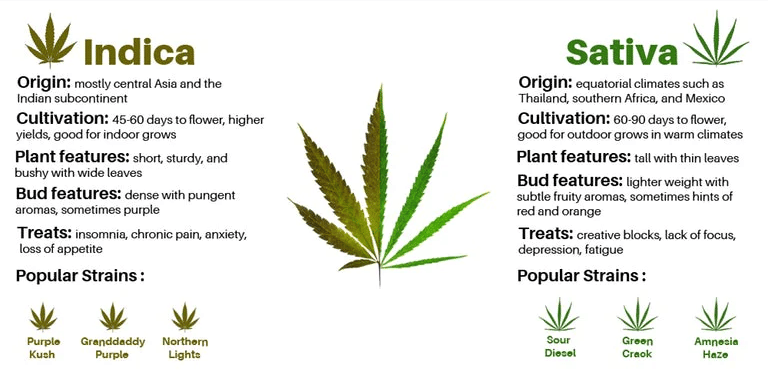
Indica:
- Origin: Central Asia and Indian subcontinent
- Cultivation: 45-60 days to obtain flowers, higher yield, suitable for indoor cultivation
- Physical appearance: short, sturdy, and bushy with broad leaves
- Bud characteristics: dense with a pungent aroma, sometimes purple
- Indicated for: insomnia, chronic panic attacks, anxiety, lack of appetite
Sativa:
- Origin: equatorial climate regions like Thailand, Mexico, and Southern Africa
- Cultivation: 60-90 days to obtain flowers, excellent in warm climates and for outdoor cultivation
- Physical appearance: tall with narrow leaves
- Bud characteristics: lighter with a subtle fruity aroma, sometimes taking on colors leaning towards orange and red
- Indicated for: blocking creativity, lack of concentration, depression, and fatigue
Legal marijuana crops
Legal marijuana crops are among the few crops that have a positive environmental impact. In fact, light marijuana plants consume four times more carbon dioxide (CO2) than the average tree. A hemp crop requires much less attention than most tree plantations and at the same time its presence exerts a soil restoration action.
Hemp family plants act as true soil filters: the plant can absorb many toxic substances (such as mercury) and release valuable oxygen into the soil (as well as into the air).
The possible cultivation techniques are countless, the choice of one technique over another varies depending on the producer’s needs, the production environment, and the final result you wish to achieve. Among the best cultivation techniques currently available, we mention “Indoor” and a cutting-edge technique called “Glass House” (also referred to as “Green House”, in the rest of the article, we will alternate between the two terms). There is also the classic “Outdoor” technique that we will briefly explain at the end of the paragraph.
In the next paragraphs, we will discuss the two in detail. If, on the other hand, you want to learn more about other methods and the requirements necessary for hemp cultivation, click on the following link: Federcanapa.
Indoor light marijuana
The indoor cultivation technique is perhaps the most widespread. Thanks to its great versatility and very high degree of accessibility. It is indeed relatively easy to set up to achieve discreet results. Of course, if you want to enter the legal marijuana market by opening a marijuana shop, the basic technique must be refined and therefore even indoor cultivation could be more complex than you think.
The choice of the base soil on which to grow your light marijuana is very important. The main options are soil cultivation (the simplest method suitable for beginners) or the hydroponic method.
This latter choice involves using water-based or soil-less configurations (peat, coconut, and other mixtures of inert substances) as the main means of cultivation, and the plants are fertilized with water-soluble nutrients directly through the roots. In this way, the control of nutrient supply to the plants is total, as there is no soil to buffer the food.
Other characteristics Ventilation, CO2 integration, and lighting must be taken into account when producing light marijuana indoors. In any case, the benefits offered by a perfectly executed indoor cultivation are countless:
- Possibility of harvesting all year round
- Regular harvests
- Control of the growth environment
- Control of flowering (for photoperiod varieties)
- Fewer pests
Legal marijuana and “Glass House”
The production of legal marijuana using the greenhouse technique can be done in pots or by cultivating directly in the soil. Pots can be easily moved if necessary, but they tend to require frequent watering and occasional fertilization. With pots, however, there are fewer issues with humidity, and the producer has more control over nutrient addition and pest and insect attacks.
Plants that are rooted directly in the soil survive well even when you are absent for a week or two and do not have an automatic watering system; however, they cannot be moved and it is more difficult to manage pest or disease attacks.
In the case of light marijuana crops directly in the soil, high soil quality is essential. If the soil is fertile enough, the plants have the possibility to develop much larger roots using the available space. In this way, extremely large and productive plants can be obtained.
Beyond the use of pots or not, the greenhouse is perhaps the ideal technique for cultivating legal marijuana. This requires a lot of skill and attention, but the benefits are considerable:
- Extremely large flower yield given the enormous size of the plants;
- Possibility to control light in order to provide the right amounts to seedlings and achieve optimal production rich in CBD;
- Possibility to plant with more freedom related to seasons than outdoor cultivation;
- Possibility to grow a larger number of very large plants compared to the indoor technique.
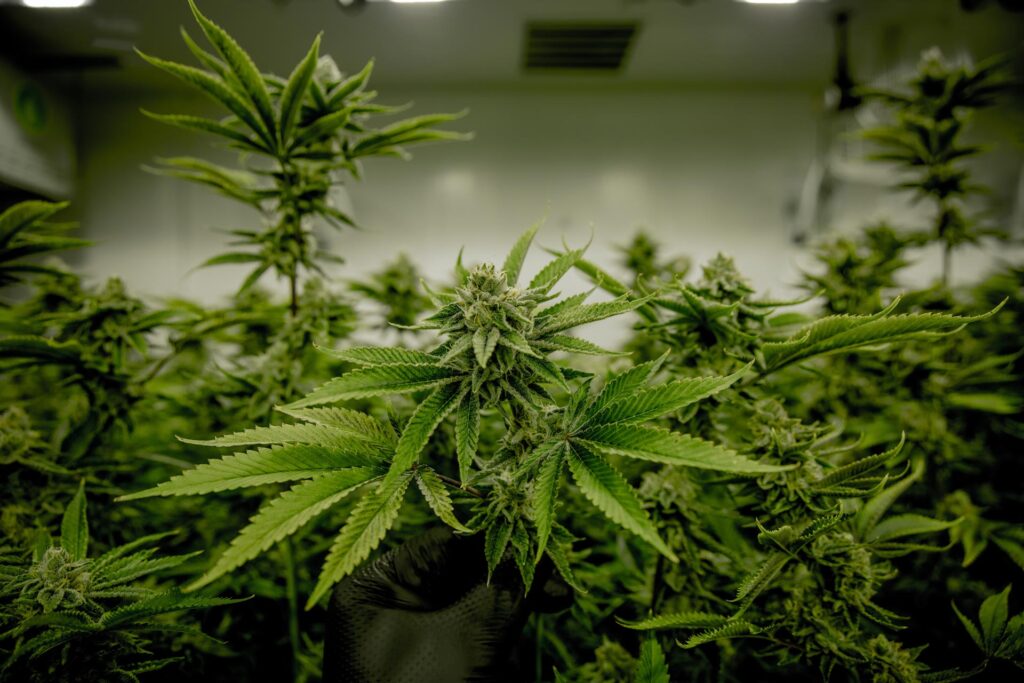
At Crystalweed, we often use the glass house method and we do so with great care, thanks to the extensive experience gained in the field. Lights are integrated into our glass houses, allowing you to replicate an indoor environment despite using greenhouses. This evolution of the normal Green House technique allows you to cultivate year-round and always have fresh product. The result is a large production of excellent buds (gems), rich in cannabidiol (CBD) and free from harmful substances such as chemicals and heavy metals that would compromise quality.
Light cannabis and “outdoor”
The classic method of our ancestors, outdoor cannabis cultivation has been present in human history since the discovery of the different properties of hemp. Crops of this type have the advantage of making the most of the available space, but they are more subject to seasonality and climate change.
Techniques of this type are not feasible in all countries, there must be a specific climate depending on the light cannabis variety intended for production. As we have already mentioned, legal outdoor marijuana cultivation also has considerable benefits for the environment. It helps to clear the soil and reduce the amount of carbon dioxide in the air.
Light marijuana varieties
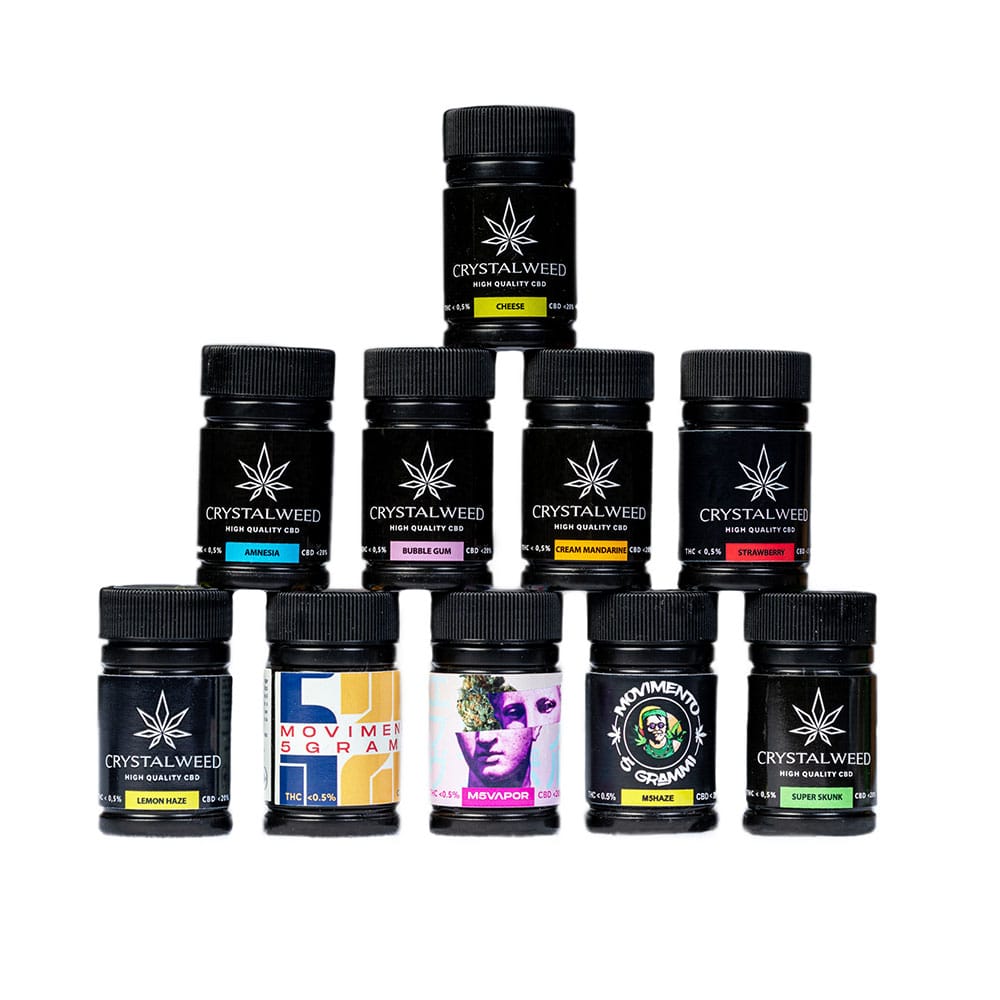
There are many cultivable varieties of legal marijuana, each with its own organoleptic and biochemical characteristics. Here are a few that you can find in our marijuana shop!
24 CARAT GOLD
The name “24k Gold” is not chosen at random: brilliant and precious like its namesake metal, it is one of the undisputed queens in the realm of light marijuana. Its inflorescences are crunchy nuggets that emit a pleasant musk pine scent crossed with sweet citrus notes. The dominant color is emerald green sprinkled with small golden pistils, all covered with a soft veil of white resin.
Inside the Crystal Weed packaging, you will also find a 4g Boost that regulates humidity to keep the inflorescences in dazzling shape. The humidity regulator is reusable for about 6 months.
AMNESIA
This very famous variety of legal marijuana is characterized by its light green, almost silver and undeniable color. Its aroma is refreshing, fruity and slightly spicy, with floral references and acidic notes of lemon and mango.
The light marijuana Crystalweed Amnesia is grown indoors in a completely organic way, without chemical fertilizers or pesticides to achieve the best possible quality for each individual bud.
GORILLA
The Gorilla is the true King Kong of legal marijuana varieties! It is the flagship of the cannabis industry in California. Grown in a greenhouse, its buds are hard as rocks and covered in resin, filling the room with sharp and strong aromas inherited from its mother strains, Chem’s Sister, Sour Dubb and Chocolate Diesel. It has a strong character, just waiting to be tamed.
CHEESE
The camembert of light marijuana varieties. Unique and inimitable thanks to its unmistakable pungent aroma of aged cheese. Crystalweed Cheese is presented with giant buds, full of resin, with bright orange pistils and naturally rich in terpenes. The fragrance is very intense, overwhelming and intoxicating, and like any quality Cheese that respects itself, rich in balanced contrasts.
It stands out for its marked and spicy aroma that immediately gives way to woody and fruity scents. Particularly appreciated by those who prefer decisive and eccentric scents.
The list of available varieties is very long; if you are curious and want to know more, just visit our marijuana shop. Inside, you will also find the possibility to purchase discovery kits, perfect for discovering which legal marijuana varieties suit you best!
We would like to inform you that to better preserve our inflorescences, we use only opaque black pots, hermetically sealed. This way, we prevent the infiltration of light and air, which accelerates the process of molecular decomposition, ruining the quality of the product.
After this last information, it’s time to say goodbye! Thank you for reading the article and for your interest. To stay informed about news regarding the world of legal marijuana shops and marijuana, keep an eye on our blog, open!
Tag: More info on CBD