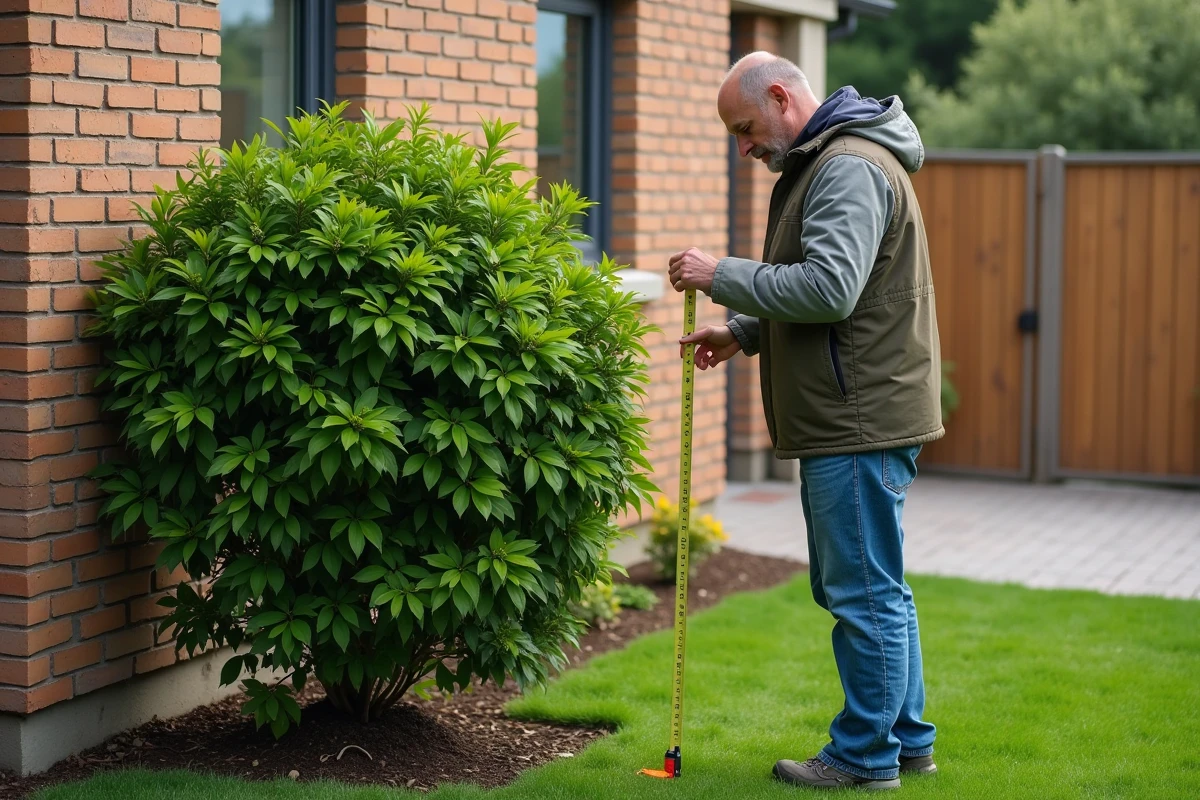
The law does not concern itself with poetry: two meters, not one less for any tree that, as an adult, reaches or exceeds this height. Yet, the shrimp willow blurs the lines. Small size, wise appearance, reputation as an innocuous shrub… and this is often where the problem lies. It is planted too close to walls, the vigor of its roots is underestimated, and later on, it is discovered that this discreet plant can also become invasive.
Understanding the Particularities of the Shrimp Willow and Its Roots
The shrimp willow, or Salix integra Hakuro Nishiki, has won over French gardens with its variegated foliage and young shoots tinged with pink. Compact and elegant, it stands out as a choice ornamental shrub for those seeking a graphic touch or a nod to Japanese gardens. Behind this neat appearance, the tree hides a root system that is much more vigorous than one might imagine.
At maturity, this small tree hardly rises above two to three meters. However, its roots, shallow yet powerful, spread wide to draw moisture and minerals it needs. Unlike a weeping willow or a twisted willow, the Salix integra does not explore the depths of the soil, but it gains ground laterally, sometimes well beyond what one anticipates. This dynamic exposes the immediate surroundings of the house to inconveniences, especially if the tree is planted too close to a wall or a pipeline.
The question of the distance between a shrimp willow and a house is never trivial. In clay soil, the Salix tends to drain water, which can exacerbate drying and weaken foundations. In lighter, well-drained soil, the phenomenon is mitigated, but it does not disappear. Even limited in depth, the vigorous rooting of this shrub can disturb underground networks when the layout of the area is not taken into account.
Before planting, it is better to assess the nature of the soil, the proximity of installations, and the robustness of the variety. This vigilance avoids many troubles: cracks, displaced pipelines, or unhappy neighbors. A thoughtful choice allows one to enjoy the beauty of the shrimp willow without compromising the balance of the garden or the tranquility of the home.
At What Distance to Plant a Shrimp Willow to Protect Your House and Pipelines?
Choosing the right distance between a shrimp willow and your home is never left to chance. To preserve the foundations and protect the pipelines, it is advisable to leave at least 1.50 to 2 meters between the trunk and the house. This threshold is based on the shrub’s ability to extend its roots laterally, but also on the risks associated with the structure of the building.
The roots of the Salix integra Hakuro Nishiki seek out any moisture. In clay soil, drought can lead to ground movements, jeopardizing the foundations. In lighter soil, the risk decreases, but it is never zero. Therefore, plant this decorative shrub at a reasonable distance, especially if there are pipelines or buried walls nearby.
Here are some guidelines to adjust the distance to your situation:
- 1.50 meters: this is the strict minimum if your house is new and no sensitive networks cross the area.
- 2 meters: prefer this margin if the pipelines or foundations are old or show weaknesses.
This precaution protects not only your house and the water networks, but also the harmonious growth of the shrimp willow. The tree benefits from sufficient space to thrive without interfering with the installations. A well-thought-out garden means fewer unpleasant surprises and more long-term serenity.

Practical Tips to Avoid Risks and Foster Peaceful Coexistence with Your Neighbors
For a lasting harmony between the shrimp willow, the house, and the neighborhood, a few habits make all the difference. Favor planting in well-drained, slightly acidic soil, away from compacted or overly wet areas. A natural mulch helps retain moisture while slowing the growth of unwanted weeds, promoting the health of the tree.
The shrimp willow loves light without excess. A partially shaded exposure or gentle sun protects its foliage from drying out. After planting, water regularly, especially during the first two years. If your land is clayey, monitor the moisture to avoid any weakening or the appearance of diseases like powdery mildew or rust.
Some simple actions can keep a shrimp willow in great shape:
- Prune the shrub every year after flowering: this maintains its compact shape and encourages the appearance of colorful young shoots.
- A spring application of organic fertilizer supports its vitality without excess.
- Get into the habit of inspecting the foliage for any aphids, scale insects, or chrysomelids.
Anticipate discussions with your neighbors before installing the shrub near property boundaries. The rapid growth of the shrimp willow deserves to be mentioned to avoid any misunderstandings. And if the idea appeals to you, cuttings offer the possibility to renew your mother plant or share this little Japanese tree with your loved ones. The garden enriches, and relationships remain peaceful.
Between caution and the joy of plants, every planting decision shapes a lasting balance. Because a well-placed shrimp willow promises a green corner that does not betray either the house or those who live in it.