Winter is a harsh time when it is really difficult to step outside. For fear of catching a cold, some gardeners prefer to stay warm until the season becomes favorable again. But during this time, won’t the plants die? On the contrary, this is the perfect time to engage in a few activities to better prepare for the arrival of spring. So, to avoid feeling down during the spring season, here are some tips to adopt to properly prepare your vegetable garden.
Organize your vegetable garden differently
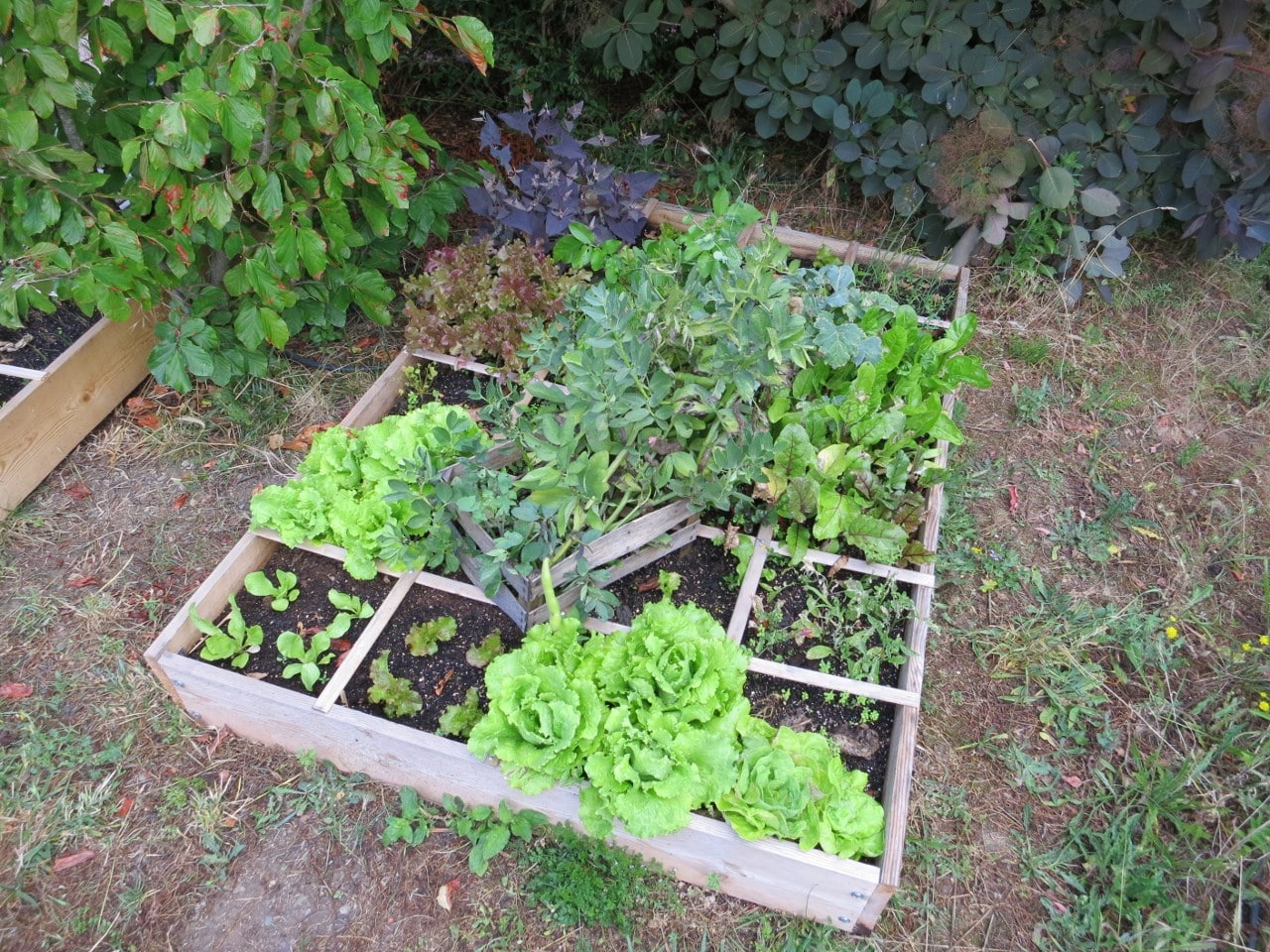
You have certainly taken the time since the beginning of the seasons to organize your vegetable garden for it to be productive. However, as the seasons pass, you have surely noticed that it needs some adjustments that you didn’t have time to make in the fall. Well! This is the ideal time to do so. You can take this time to rethink the architecture of your vegetable garden based on:
- Your observations from the past year (location of less fertile, less sunny, or wind-prone growing areas…);
- The qualitative and quantitative needs regarding production;
- Your desires for cultural experimentation (better water management, development of organic farming…).
Thus, a good landscape gardener in Orsay can help you if you lack ideas to improve the ecosystem of your crops. This approach will help you be more operational for the spring season.
Plan your growing season
It is very important that you have a minimum of organization to calmly approach the season. First, you can imagine the types of crops that will be planted each season of the year. Also, it is good to think about cleaning your vegetable garden. This means removing weeds and plants that will later be used for composting. Don’t forget to check your water installation to avoid last-minute surprises.
Work on your growing soil
After this meticulous planning and weeding of your vegetable garden, it is time to rejuvenate your soil. To a depth of about twenty centimeters, take your fork and turn the soil to aerate it.
The use of compost
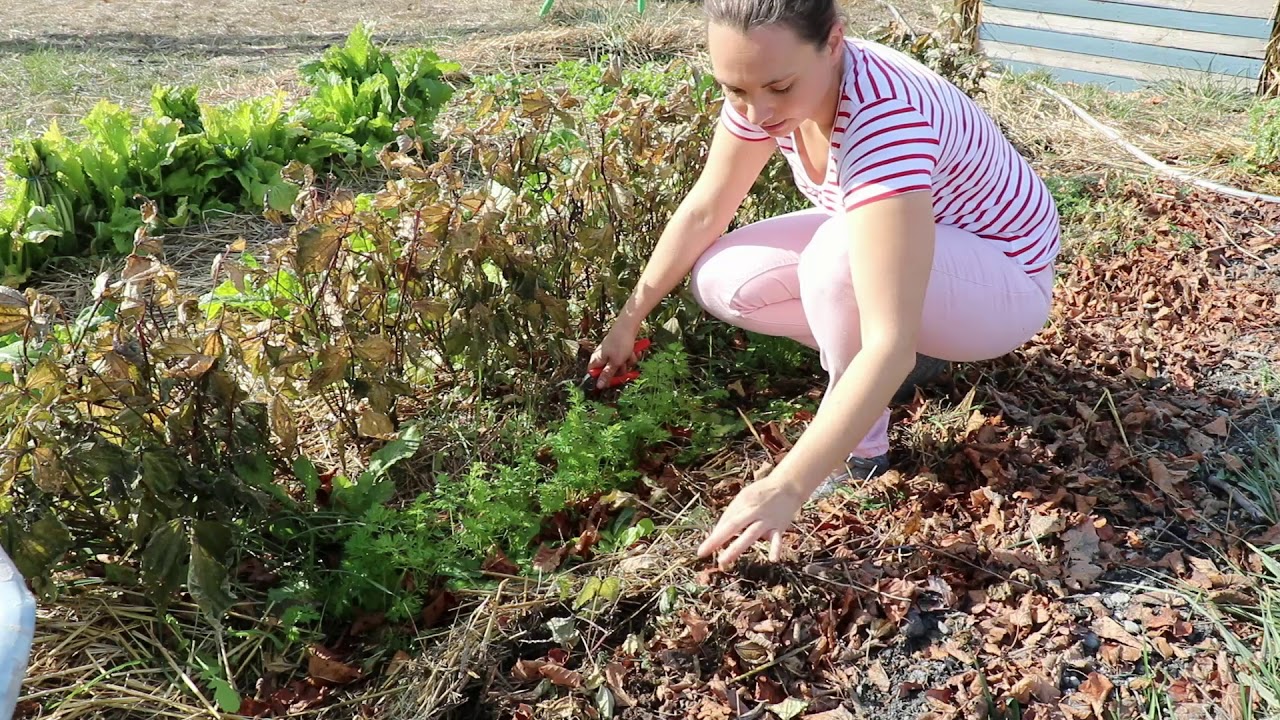
Compost is a biological fertilizer made from organic waste and mineral materials. Here, the raw material used to make the compost is all the weeds that were removed from the vegetable garden. Thus, the compost that was previously made will now be collected and spread over the soil to nourish it. The remaining compost in maturation should be fed with your various daily food waste and with the waste that has been removed from the compost spread over the soil of your vegetable garden.
Protect your plants and prepare your tools
The best way to protect your plants from the cold is to cover their soil with sawdust or straw. This protection method will also prevent erosion, which typically washes away all the nutrients (minerals) from the plant. Your tools should also be maintained to extend their lifespan. You should clean them with sandpaper, sharpen them with a sharpening stone, apply oil to all metal parts and wooden handles. Then, store all your tools away from the elements.
Another tip: don’t forget to empty the water from your hoses to prevent them from bursting during the winter!