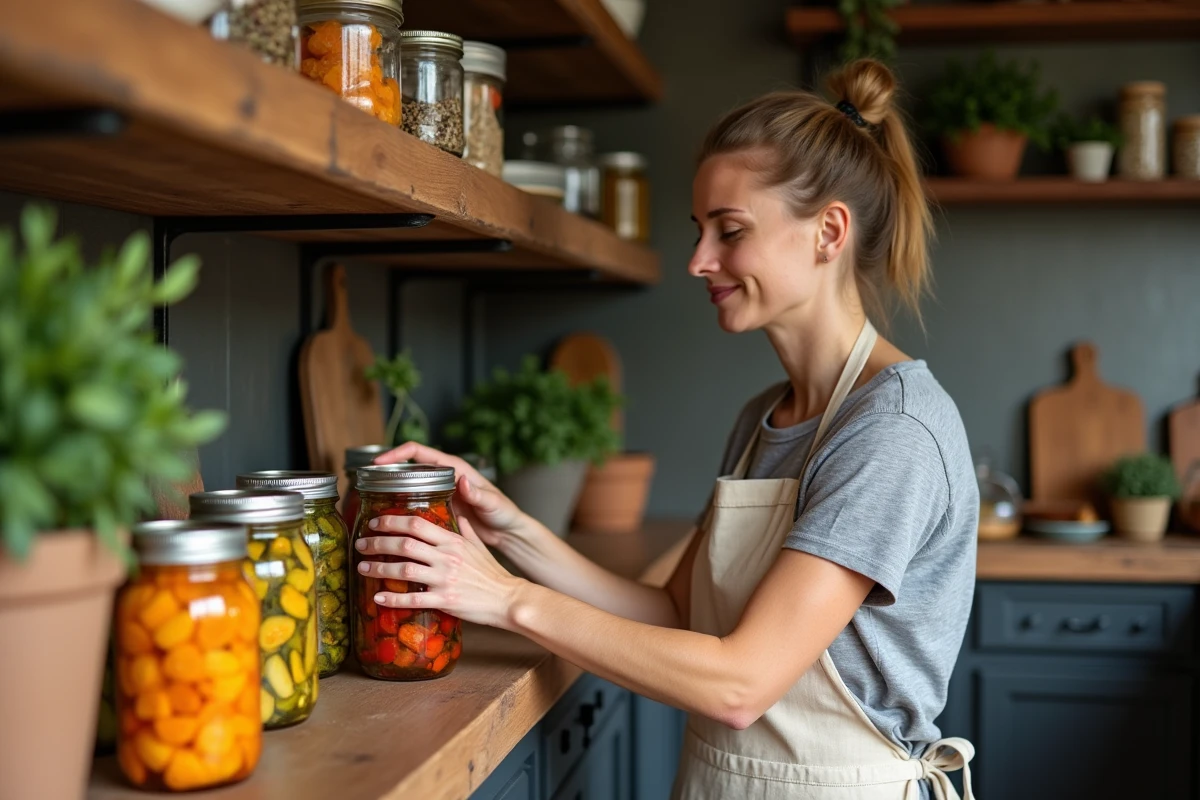
A shopping basket placed on a countertop in the middle of summer, no air conditioning, and tomatoes that soften in less than two days. We all know this scenario. Storing food on a daily basis is not just about filling a refrigerator: it also needs to function properly, the room shouldn’t be overheated, and each product must be stored in the right place. Here are some concrete tips to limit waste, tailored to real situations.
Food preservation without a reliable refrigerator: the habits that make a difference
When living in a place where the fridge is malfunctioning, or in a region where the heat regularly exceeds comfort levels, standard advice quickly shows its limits. Storing yogurt in the cold zone makes no sense if that zone hovers around 8 °C instead of 4 °C.
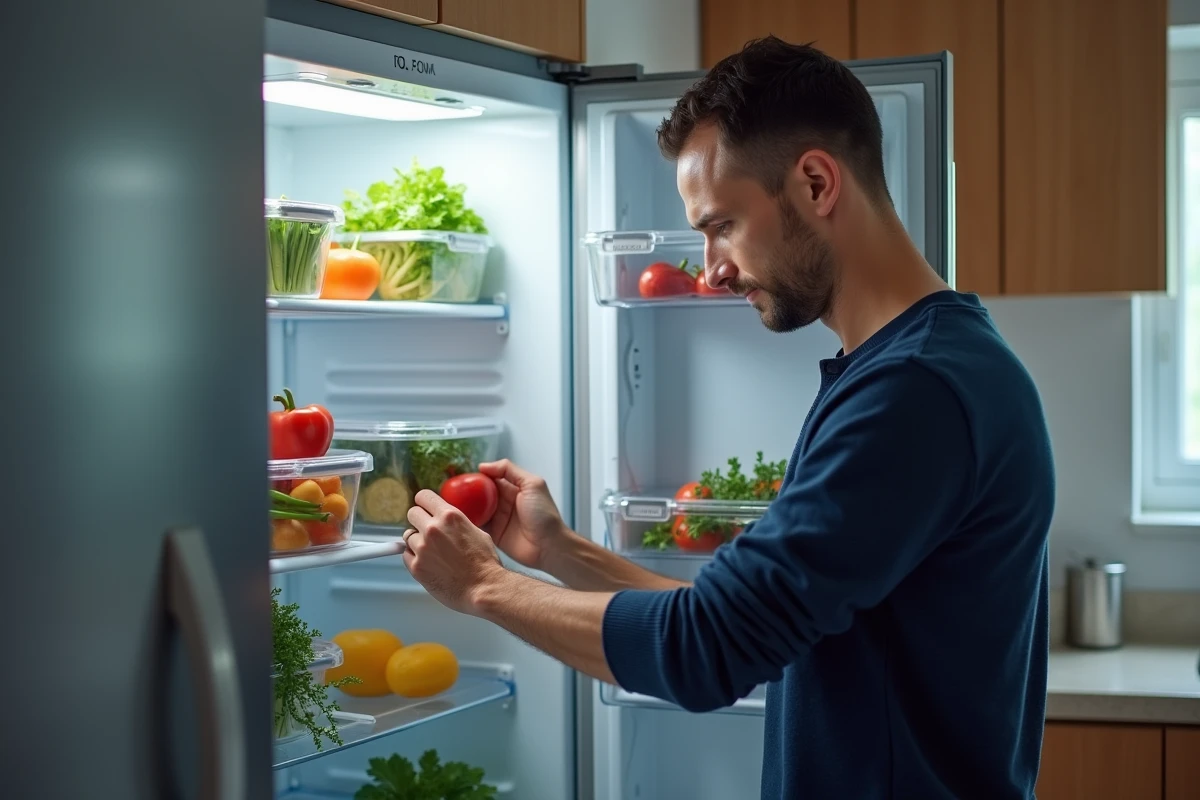
The first instinct is to check the actual temperature of your refrigerator with an independent thermometer. Many older or entry-level appliances display a temperature that does not reflect reality, especially when the room is warm. If the fridge does not drop below 6 °C, it’s time to reconsider what you store in it: dairy products and fresh meat become priorities, while hardy vegetables (squash, onions, potatoes) can tolerate a ventilated cupboard.
In hot or humid climates, you can rely on preservation techniques that do not depend on electric cold. Salt, vinegar, and oil remain underestimated allies. A jar of lacto-fermented vegetables, for example, can be stored for several weeks at room temperature once fermentation is stabilized. For more information on various preservation methods suited to each situation, the site jeconserve.fr gathers useful and concrete resources.
Bulk products: storing without original packaging
Buying in bulk is on the rise, but it creates a concrete preservation problem that most guides overlook. Without primary packaging, dry products absorb ambient moisture within a few days, especially in summer or in poorly ventilated apartments. Flour, rice, lentils, oats: all lose quality if left in a paper or fabric bag.
The most reliable solution remains an airtight glass jar. Glass does not transfer any odors, is easy to clean, and allows you to visually check the state of the contents. For larger quantities, a food-grade bucket with a seal also works, provided it is stored in a cool, dry place.
- Transfer dry products into airtight containers as soon as you return from shopping, not “when you have time”
- Label each jar with the purchase date to track stock rotation
- Place a small bag of uncooked rice in flour or starch containers to absorb excess moisture
- Avoid soft plastic that deforms, loses its seal, and retains odors over time
Feedback varies on the effectiveness of bag clips for bulk products: it largely depends on the type of bag and the ambient humidity level. The jar remains the safe bet.
Room temperature and fresh vegetables: adapting storage to the season
We tend to put everything in the refrigerator by reflex. However, some vegetables lose their taste and texture there. Tomatoes become mealy below 10 °C. Eggplants turn black. Potatoes develop an unpleasant sweet taste in the cold.
Proper storage depends on the vegetable and the season. In winter, an unheated garage or pantry serves as a natural pantry for squash, carrots, and turnips. In summer, these same vegetables should be consumed quickly or transformed (soups, preserves).
For fresh herbs, a glass of water on the countertop (like a bouquet of flowers) extends the life of parsley or coriander by several days. Basil, on the other hand, turns black in the refrigerator: it keeps better at room temperature, stem in water, away from direct sunlight.
Climacteric and non-climacteric fruits
This distinction, rarely mentioned in mainstream guides, changes the way you store your fruits. Climacteric fruits (bananas, apples, pears, avocados) continue to ripen after harvest. Placing them next to other foods speeds up their ripening, and that of their neighbors, due to the ethylene they emit.
Separating ethylene-producing fruits from sensitive vegetables is a simple but effective gesture. A bowl of bananas placed next to a salad hastens the wilting of the salad. Non-climacteric fruits (strawberries, grapes, citrus) do not ripen further once picked: there’s no need to wait, they won’t improve on the counter.
Best before dates and use by dates: don’t throw away out of excess caution
The confusion between best before date (BBD) and use by date (UBD) remains one of the leading causes of domestic food waste. A plain yogurt that’s a few days past its BBD (“best before”) does not pose the same risk as a pack of chicken beyond its UBD (“use by”).
The BBD indicates a decline in taste quality, not a health hazard. Dried pasta, rice, honey, or canned goods remain consumable long after this date, provided the packaging is intact and the product has not changed in appearance or smell.
The UBD, on the other hand, concerns perishable goods (meats, fish, refrigerated prepared dishes). It should not be exceeded, especially if the cold chain has been broken at some point.
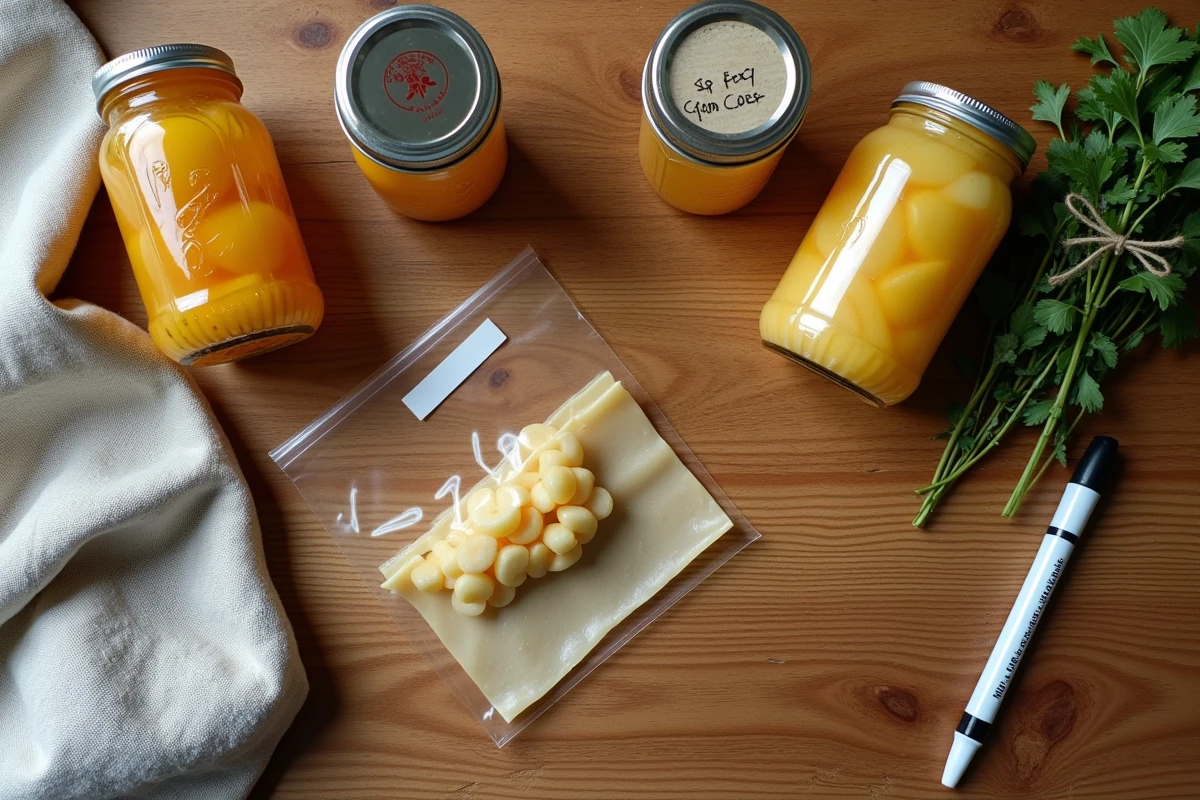
Taking the time to read these labels correctly and learning to trust your senses (sight, smell, texture) can significantly reduce the amount of food thrown away each week. A jar of applesauce with a non-bulging lid and a normal smell is still good, even if the BBD has passed by a few weeks.