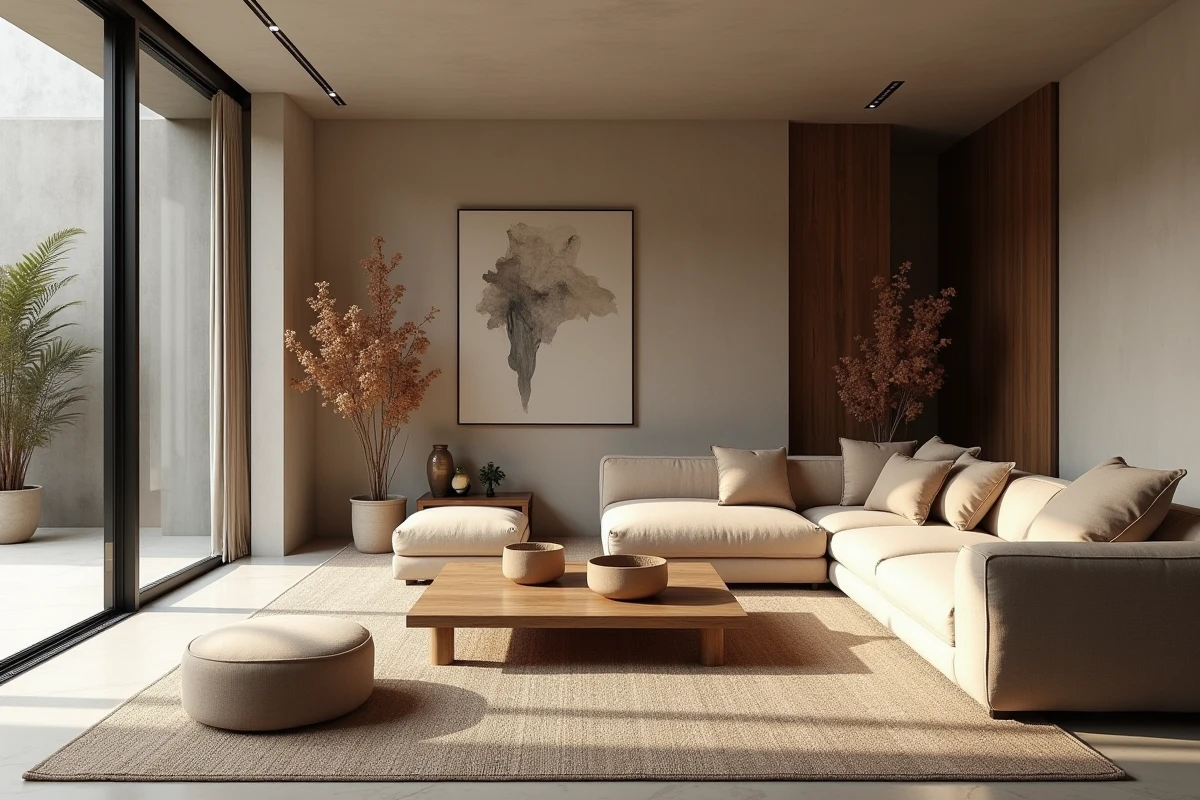
Sublimating an interior with modern and elegant decor doesn’t necessarily require major renovations. A few precise choices regarding materials, colors, or furniture are enough to transform the atmosphere of a room. Here are ten concrete, tested, and current ideas to give character to your living space.
1. Lime plaster on an accent wall
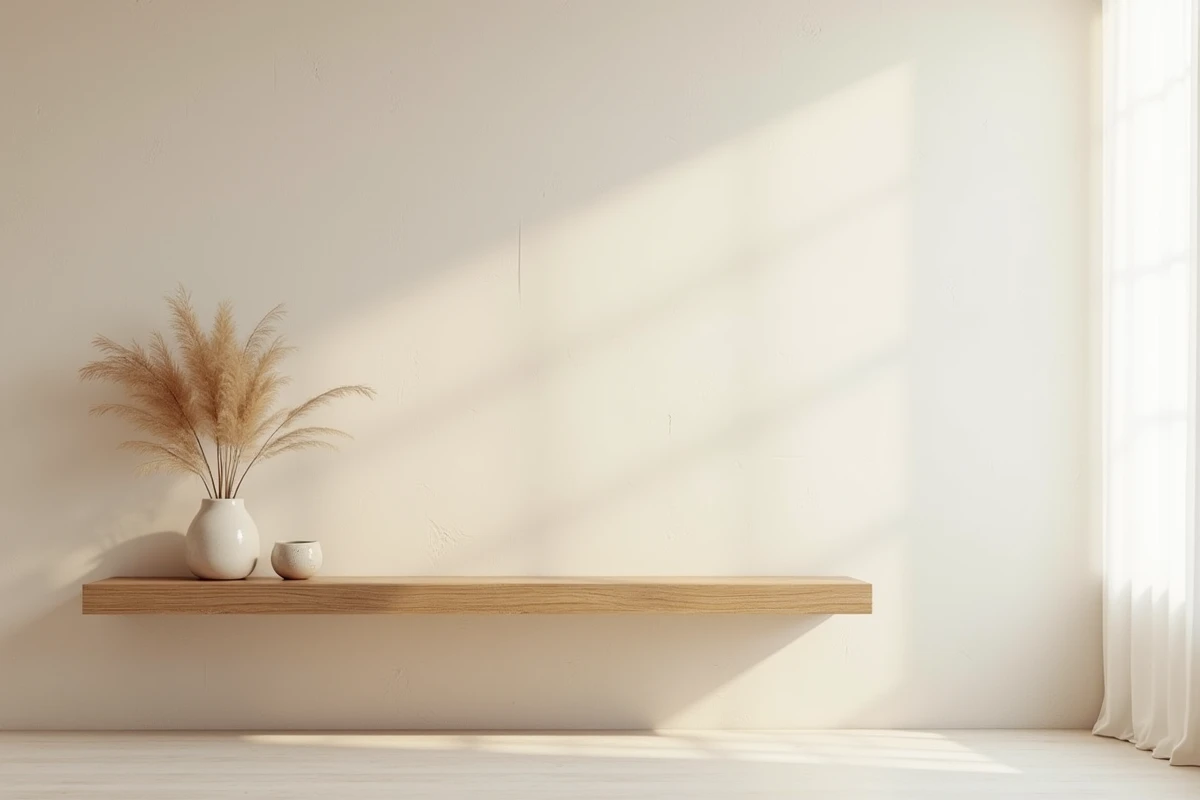
A white-painted wall remains neutral. A lime-plastered wall tells a story. This technique gives walls a depth that conventional paint cannot replicate: light catches the micro-reliefs, and the appearance changes throughout the day.
Lime plaster comes in muted shades (terracotta, sand, pearl gray) that effortlessly blend into a modern living room. Another advantage: lime is a breathable material, suitable for humid rooms as well as living spaces. To explore other design options, decor on Maison Pro covers a wide range of styles and finishes.
2. Modular sofa in boucle fabric
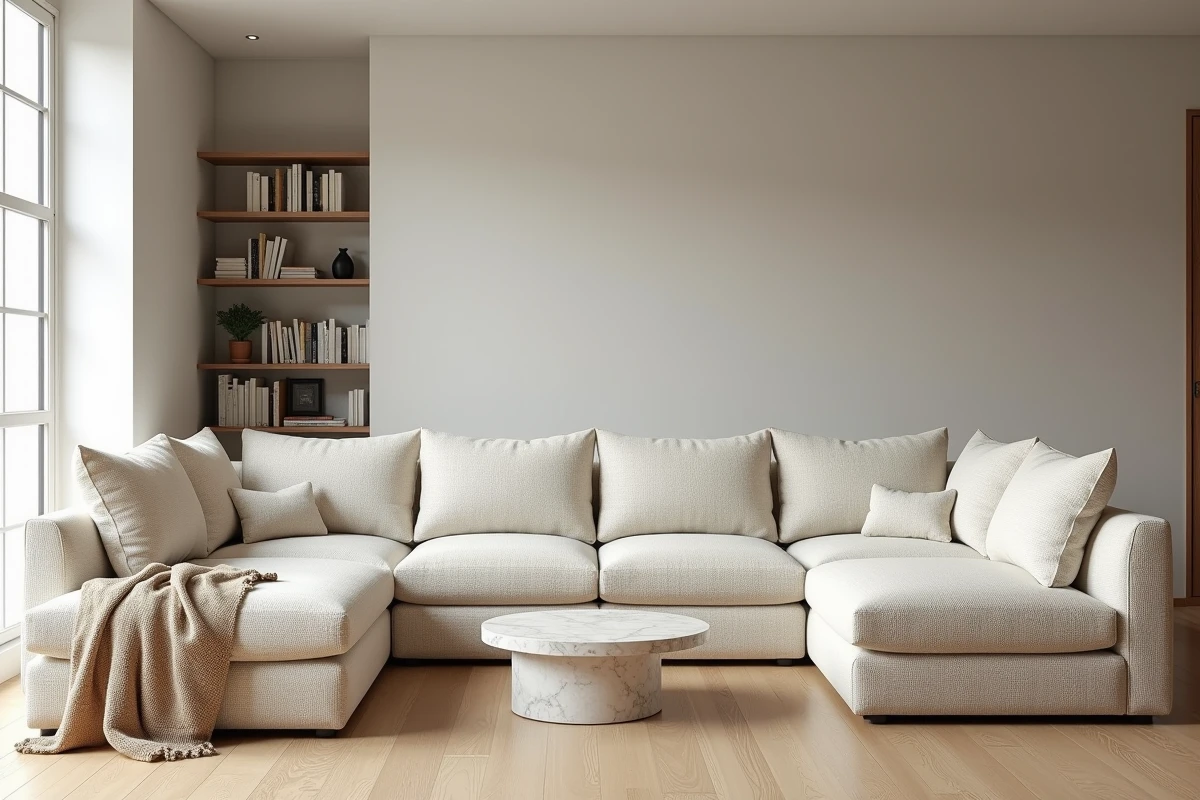
The sofa remains the centerpiece of the living room. Modular models allow you to reconfigure the space according to your needs: movie night, reception, solo reading. Boucle fabric, prevalent in recent collections, adds a soft texture and a high-end look without resorting to leather.
Opt for modules with removable covers. This way, you retain the option to change colors or replace a worn element without having to buy a whole new set.
3. Coffee table in raw wood and black metal
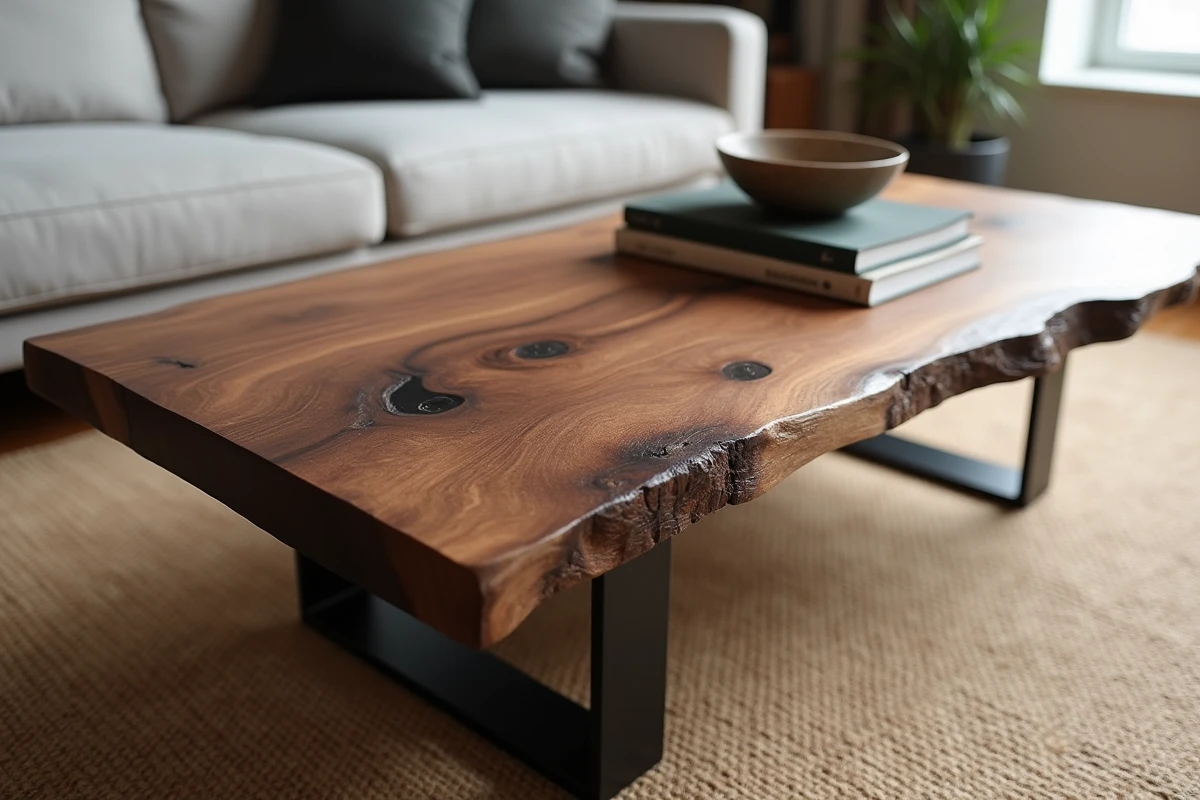
The combination of wood and metal works because it contrasts two registers: the organic warmth of wood and the geometric rigor of metal. Solid oak paired with matte black steel remains one of the most readable combinations in modern decor.
Have you noticed that some coffee tables seem to “float” in the room? This is the effect of a fine metal base that visually lightens the piece, even when the top is thick.
4. Indirect lighting with recessed LED strips
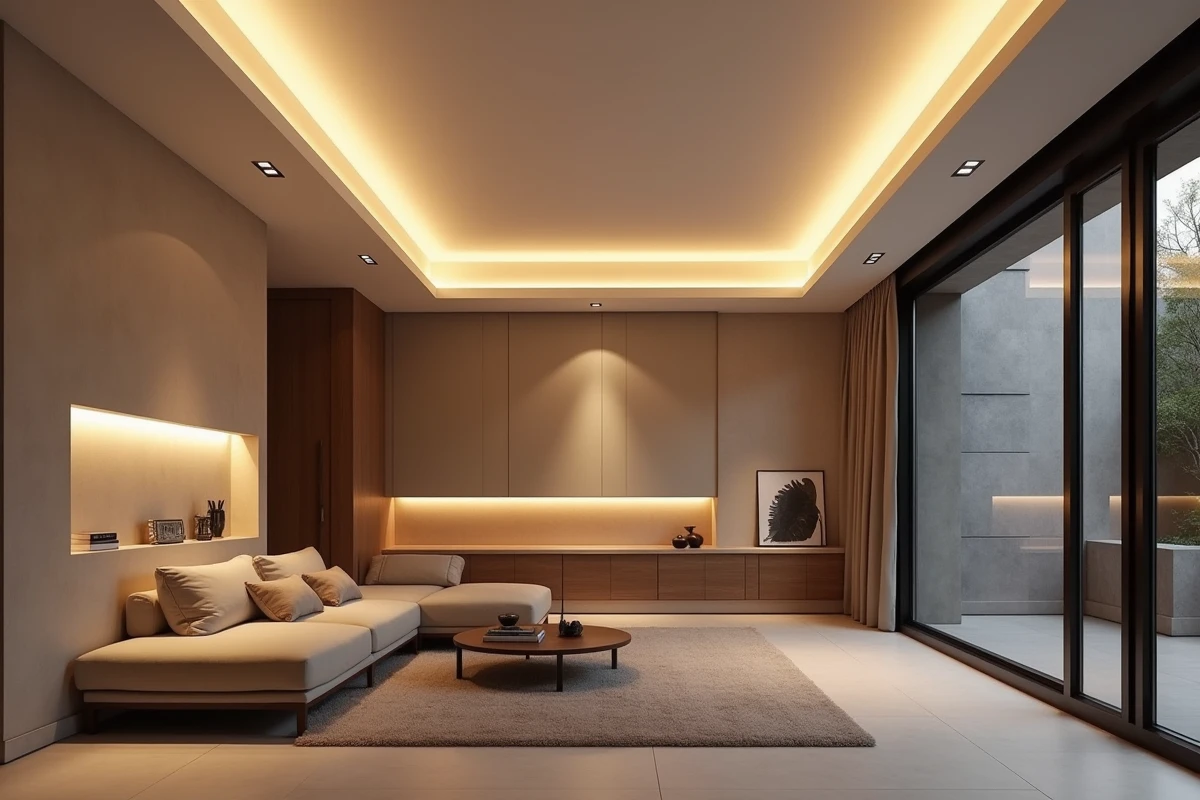
A single ceiling light can overwhelm the volumes. Indirect lighting, on the other hand, outlines the contours of the room. Recessed LED strips under a shelf, along a TV unit, or behind a headboard create luminous layers that highlight the walls and furniture.
The color temperature changes everything: below 3,000 kelvins, the light leans towards warm and suits relaxation spaces. Above that, it becomes cold and clinical. Choose dimmable strips to adjust the ambiance for each moment.
5. Wooden screen to separate without partitioning
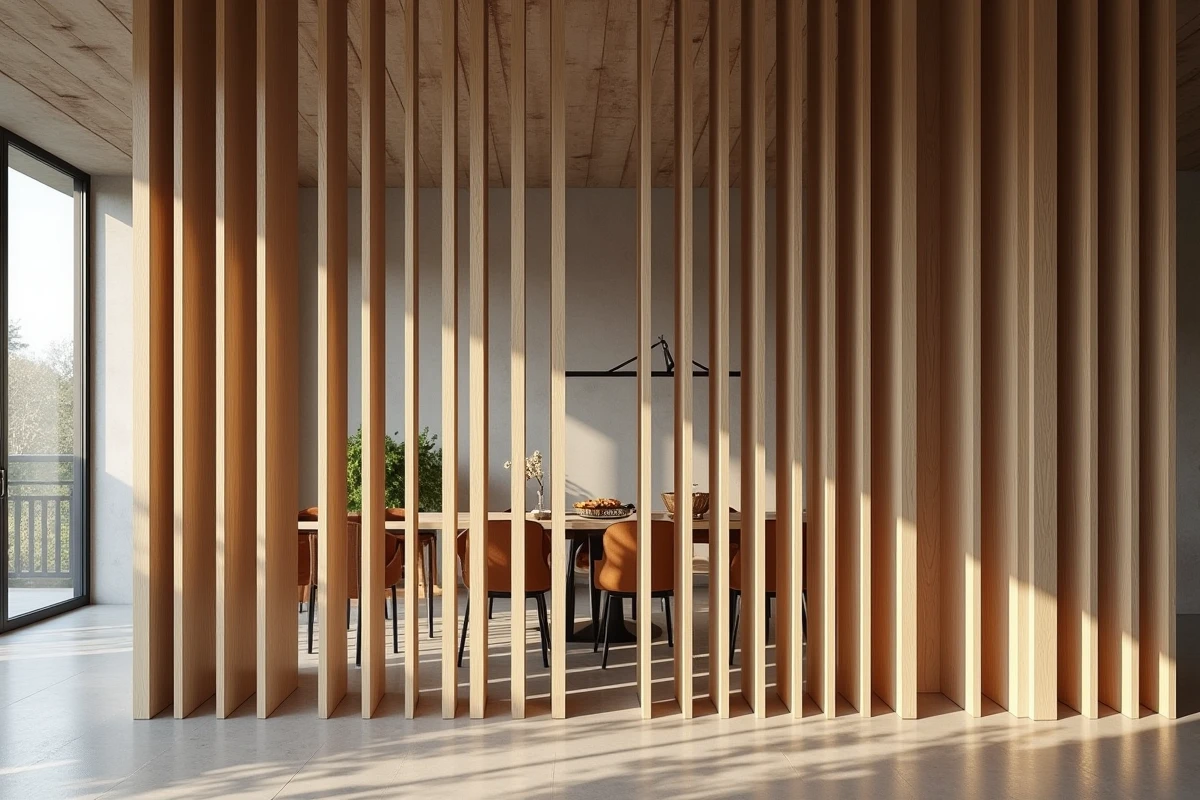
Separating an open space without installing a partition is the role of the screen. These slatted panels allow light to pass through while defining distinct areas: entryway, office corner, dining space.
The light wood vertical slat screen fits into a modern and elegant decor without weighing down the room. It’s a reversible solution, easy to dismantle if you sell or change the layout. This type of non-structural arrangement aligns with the trend of “reversible decor” identified by Airbnb in its November 2023 report.
6. XXL mirror placed on the floor
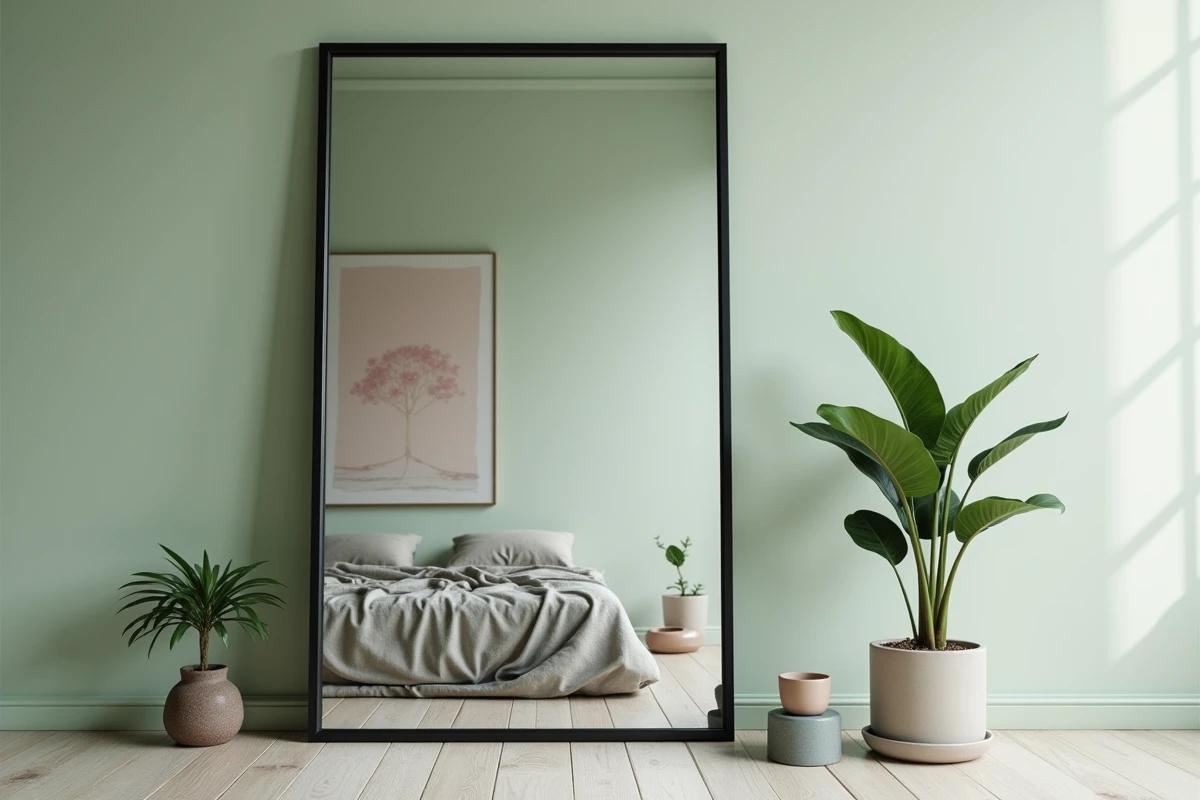
A large mirror leaning against a wall visually enlarges the room by doubling the perceived depth. The effect is particularly pronounced in a narrow living room or compact bedroom.
Choose a thin frame in black metal or natural wood. Avoid overly ornate gold frames that pull the decor towards the classic. The mirror should reflect a light source (window or light fixture) to maximize its impact.
7. Structuring green plants and biophilia
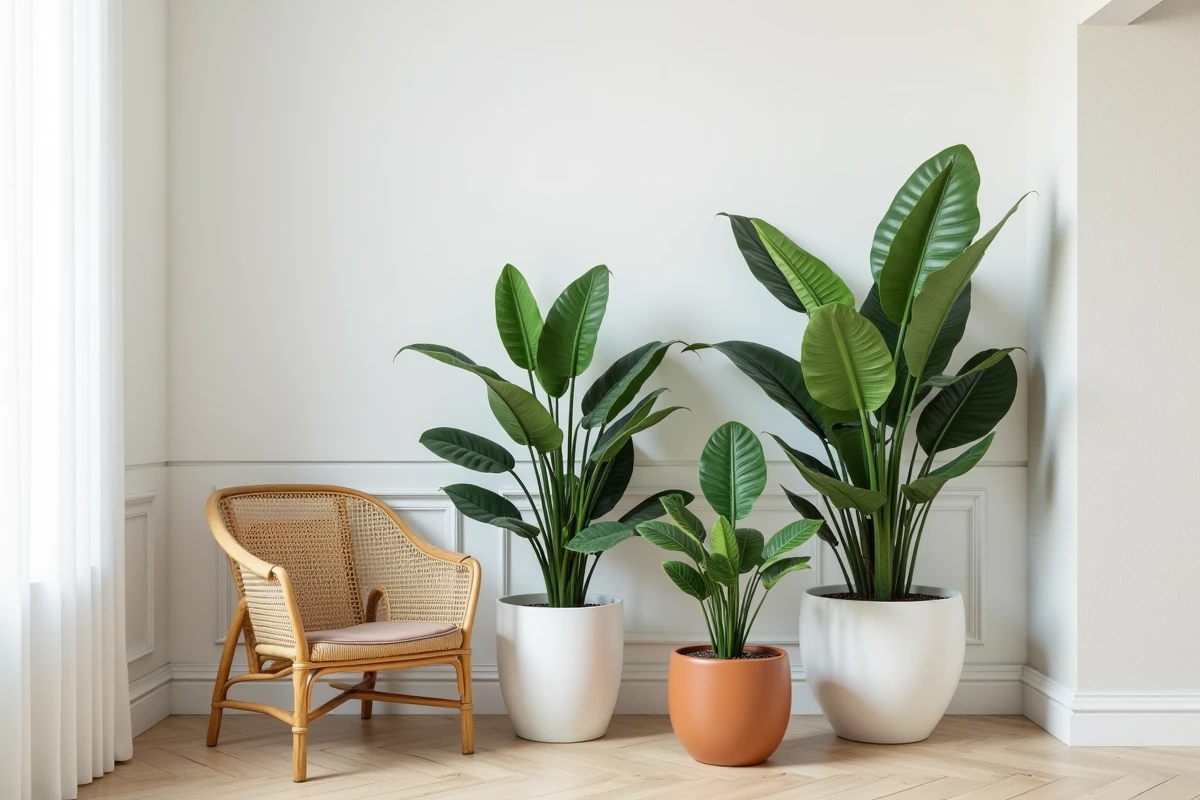
Biophilia goes beyond placing a cactus on a shelf. It involves integrating visible natural elements from the main living areas. A meta-analysis published in Building and Environment in July 2024 confirms that occupants perceive their interior as more comfortable and upscale when it includes natural elements.
Focus on plants with strong visual volume:
- The fiddle leaf fig, with its large rigid leaves, adds vertical structure to a corner of the living room
- The monstera deliciosa fills an empty corner and tolerates indirect light well
- The kentia palm remains slender and tall, suitable for narrow spaces
8. Muted color walls in a tone-on-tone duo
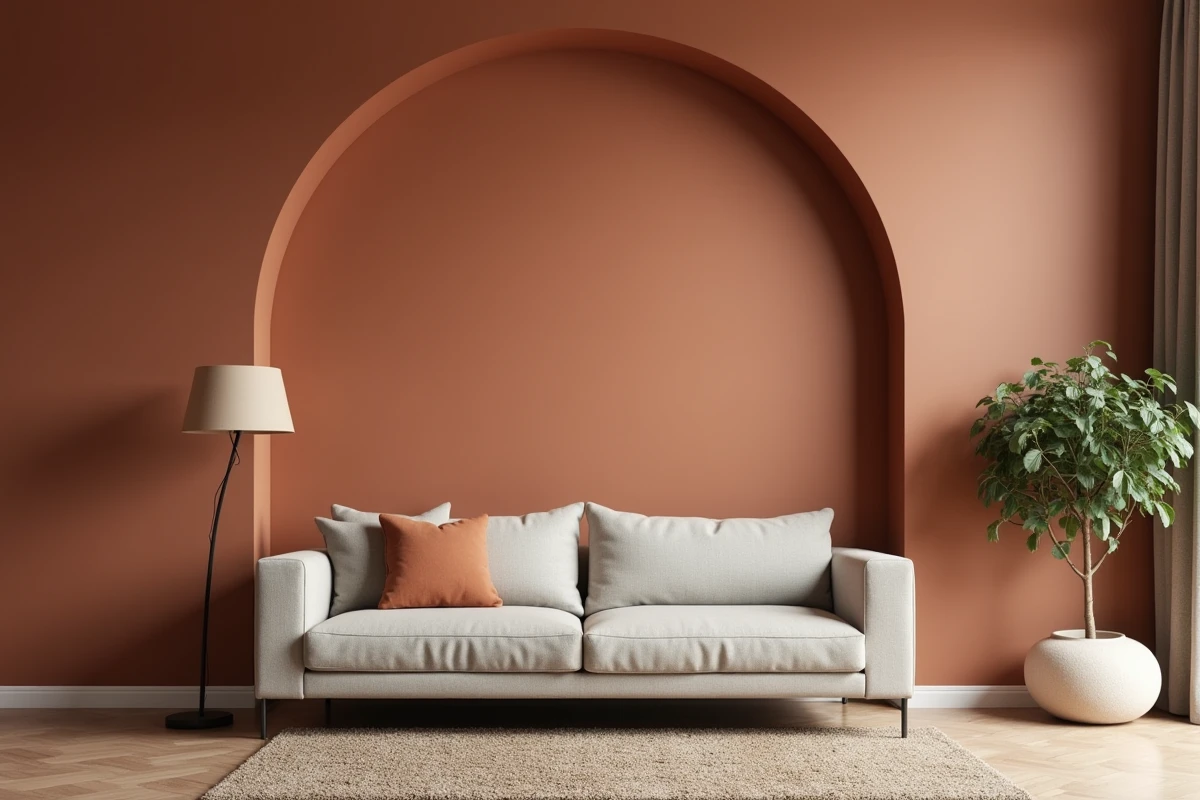
Painting a wall in a single color is no longer enough. The tone-on-tone approach involves applying two shades close to the same hue on adjacent surfaces: wall and ceiling, wall and baseboards, wall and niche. The result creates a cohesive envelope that erases the boundaries of the room.
Sage green and terracotta remain the key shades for modern decor. They pair well with light wood, linen, and black metals, the most prevalent materials in contemporary interiors.
9. Invisible wall storage
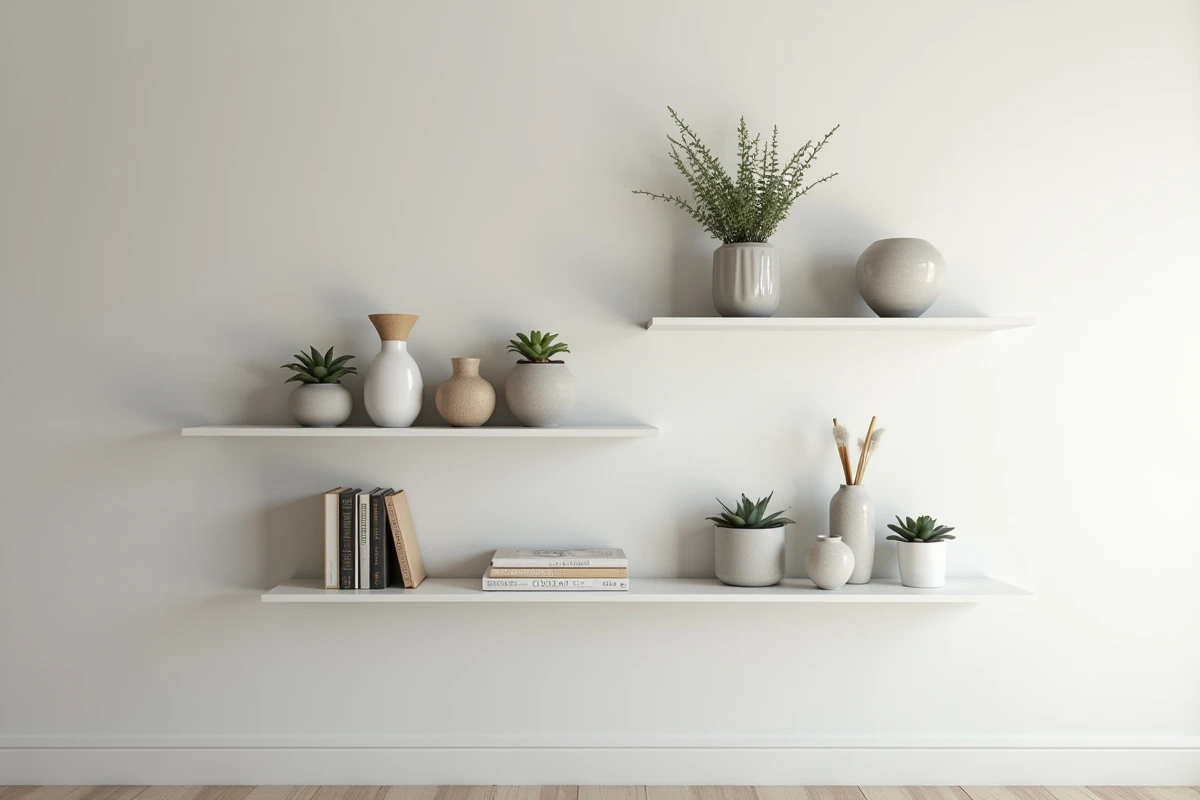
Storage furniture with visible handles adds visual noise. Smooth facades with push-to-open mechanisms create clean surfaces that unify the design of a hallway, entryway, or living room.
This type of storage works particularly well in matte white or light wood finish, extending from floor to ceiling. It absorbs clutter without fragmenting the wall. For a modern interior, fewer handles mean more visual calm.
10. Washed linen textiles for the living room and bedroom
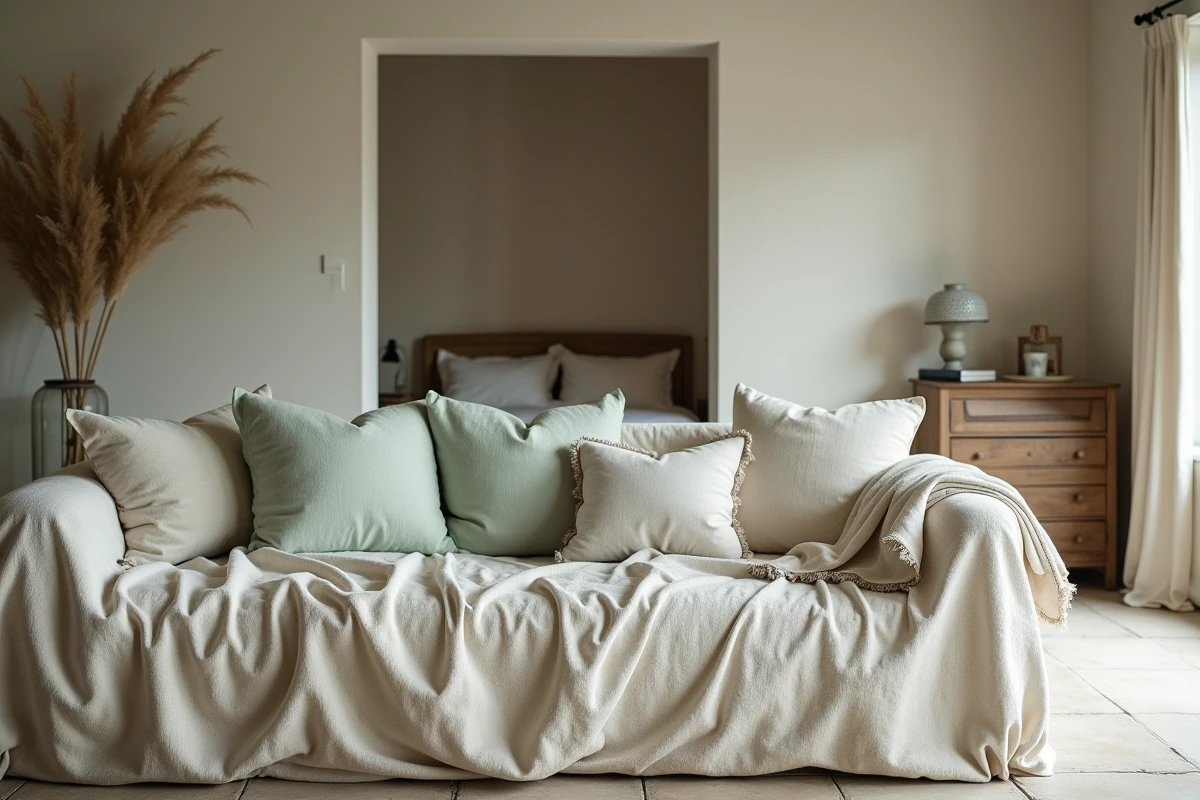
Washed linen has a naturally crumpled drape that avoids the overly polished look of ironed cotton. Curtains, cushions, throws: by dressing several elements in the same material, you create textile coherence in the room.
Linen comes in neutral colors (ecru, light gray, off-white) that match any style of furniture. Its slightly irregular texture captures light differently depending on the angle, adding life to a clean space.
Each of these ten ideas can work alone or combine with others. The common thread remains the same: authentic materials, measured colors, and furniture where each element has a clear function. Modern and elegant decor is less about budget and more about the accuracy of choices.